

Introduction: What Happened to United Airlines Flight UA770?
United Airlines Flight UA770 recently made headlines after it had to perform an emergency diversion during its journey. Flight diversions happen when a plane cannot reach its original destination safely due to unexpected issues like mechanical problems, medical emergencies, or severe weather. While such events can sound alarming, they are part of strict safety procedures designed to protect passengers and crew.
The story of UA770 caught public attention because passengers were suddenly rerouted mid-flight, sparking questions about the cause, where the plane landed, and what passengers experienced. Understanding these events helps us see how airlines prioritize safety and handle unforeseen challenges in the air.
Basic Flight Details (united airlines flight ua770 emergency diversion Overview)
United Airlines Flight UA770 is a commercial flight operated by united airlines flight ua770 emergency diversion, typically serving a long-haul route connecting major cities. Like all commercial flights, it is staffed by trained pilots and cabin crew who follow strict safety procedures to ensure every journey is smooth and secure.
An emergency diversion occurs when a flight cannot safely continue to its planned destination. This doesn’t mean the flight is unsafe — it’s a precautionary safety measure. Diversions can happen due to technical issues, passenger health emergencies, sudden weather changes, or other operational concerns. Airlines always have contingency plans and alternate airports ready so pilots can land safely if needed.
For passengers, a diversion may cause a delay, but it ensures everyone’s safety. Understanding the basics of UA770’s route and operations helps explain why diversions are handled quickly and efficiently.
What Caused the Emergency Diversion?
For united airlines flight ua770 emergency diversion, the emergency diversion happened because the aircraft’s cabin pressurization system showed a potential problem while the plane was cruising at high altitude over the Atlantic Ocean. Pressurization systems are what keep the air inside the plane safe to breathe when flying tens of thousands of feet above the ground. When the warning appeared, the pilots treated it as serious and decided to reroute the flight to the safest nearby airport rather than continue the long journey.
Here’s how it unfolded in simple terms:
- At around 37,000 feet, while traveling from Barcelona, Spain to Chicago, USA, the Dreamliner’s systems detected something unusual in the pressurization.
- The pilots then used the emergency code Squawk “7700,” which tells air traffic control that their aircraft needs help and immediate priority attention.
- Following strict aviation safety rules, the crew chose to land at London Heathrow Airport, one of the busiest and best-equipped airports in Europe for handling emergencies.
Even though no oxygen masks deployed and the system may have been warning of a possible issue rather than a confirmed failure, pilots are trained to take every such alert seriously. That’s because pressurization problems — if real — can affect passengers’ health quickly at high altitudes. Choosing to divert early is smart and cautious, not reckless.
Where Did Flight UA770 Divert To?
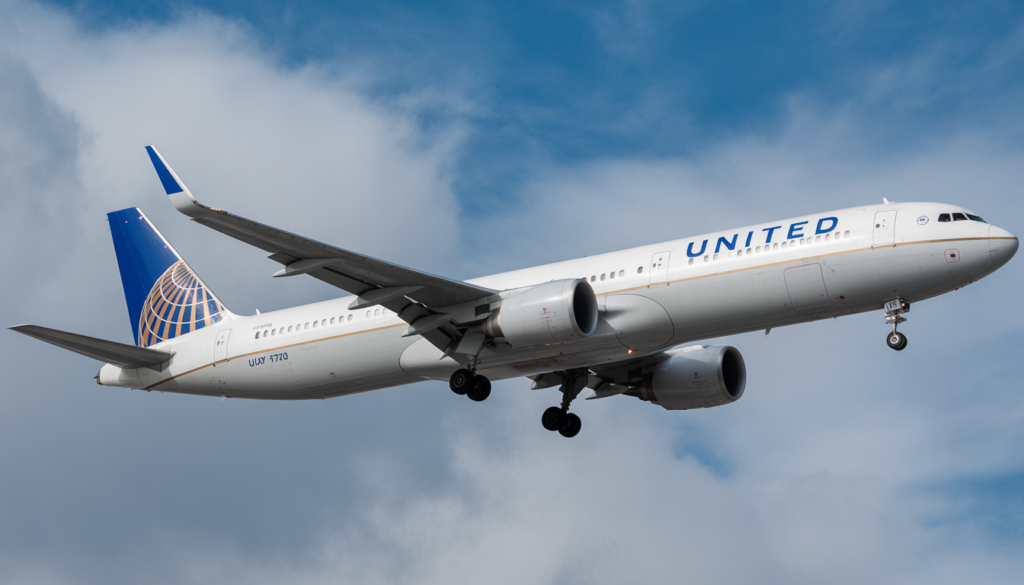
When united airlines flight ua770 emergency diversion encountered the pressurization warning, the pilots quickly chose to divert the plane to London Heathrow Airport. Heathrow is one of the largest and safest airports in the world, equipped to handle emergency landings, including technical issues or medical emergencies.
Pilots select diversion airports based on several factors:
- Proximity: The nearest airport with safe landing capabilities is preferred.
- Facilities: Airports with emergency services, repair crews, and medical support are ideal.
- Air Traffic: Busy airports like Heathrow can manage sudden diversions safely without disrupting other flights.
For passengers, a diversion may mean longer travel time, rebooking of connections, or waiting for replacement flights, but these steps are taken to ensure safety above all else. In this case, UA770 passengers were safely guided to the terminal, and airline staff immediately assisted with logistics like luggage handling, hotel arrangements if needed, and connecting flights.
This careful planning shows that diversions are a routine safety procedure, not a sign of major danger, and passengers are well-supported throughout the process.
What Happens to Passengers After an Emergency Diversion?
After a flight like UA770 makes an emergency diversion, the main priority for airlines is passenger safety and comfort. Here’s what typically happens:
- Safety Checks: Once the plane lands, the crew ensures that all passengers are safe. Maintenance teams may inspect the aircraft to confirm it’s still safe for travel.
- Communication: Pilots and airline staff explain the situation to passengers, keeping everyone informed. Clear communication helps reduce anxiety and confusion.
- Rebooking and Travel Adjustments: Airlines arrange for connecting flights, alternate routes, or replacement aircraft so passengers can continue their journey as smoothly as possible.
- Food and Accommodation: If delays are long, airlines often provide meals, hotel stays, or transportation to ensure passengers are comfortable.
- Passenger Rights: Travelers may be entitled to compensation or assistance depending on the airline’s policy and local aviation regulations. Airlines follow strict guidelines to make sure passengers’ needs are met.
Even though diversions can feel stressful, passengers are well taken care of. Airlines train their staff to manage these situations calmly, efficiently, and safely, ensuring that everyone reaches their final destination with minimal disruption.
Is Emergency Diversion Normal or Dangerous?
While the term “emergency diversion” might sound alarming, it is actually a common and carefully managed part of air travel. Pilots and airlines are trained to handle unexpected situations, and diversions are usually a sign that safety protocols are working correctly.
Here’s what makes diversions normal rather than dangerous:
- Frequency: Thousands of commercial flights are diverted every year due to minor technical issues, medical emergencies, or weather changes. Most diversions are precautionary, not life-threatening.
- Pilot Training: Pilots are extensively trained to assess risks quickly and choose the safest course of action. Diverting a flight is often the most responsible decision.
- Aircraft Safety Systems: Modern airplanes have multiple systems to detect problems early. When a warning appears, pilots act immediately to prevent any escalation.
- Passenger Protection: Diversions ensure that passengers and crew are kept out of potential danger, even if the issue might have resolved on its own.
In short, emergency diversions are not signs of disaster—they are a safety-first measure. Airlines and aviation authorities prioritize preventing risks before they become serious problems, keeping air travel one of the safest modes of transportation in the world.
How United Airlines Handles Emergency Situations
United airlines flight ua770 emergency diversion has strict safety protocols in place to handle emergencies like the UA770 diversion. Safety is always the top priority, and the airline follows both internal procedures and federal aviation regulations to protect passengers and crew.
Key aspects include:
- Pilot Training: United pilots undergo rigorous training for emergencies, including technical failures, medical events, and weather-related diversions. They practice simulated scenarios to respond calmly and correctly under pressure.
- Aircraft Safety Systems: Modern United aircraft, like the Boeing 787 Dreamliner used for UA770, are equipped with advanced monitoring systems that alert pilots to issues early. This allows pilots to take preventive measures before problems become critical.
- Emergency Communication: Pilots communicate with air traffic control, airline operation centers, and ground emergency services to coordinate a safe landing. They also keep passengers informed throughout the process.
- Passenger Support: Once on the ground, United staff provide assistance with rebooking, accommodations, and connecting flights, ensuring passengers’ needs are met even after a stressful event.
By combining high-tech aircraft, highly trained pilots, and coordinated emergency protocols, united airlines flight ua770 emergency diversion ensures that situations like UA770’s diversion are handled efficiently and safely. This demonstrates the airline’s commitment to keeping air travel secure and reliable.
Common Reasons Flights Are Diverted (General Guide)
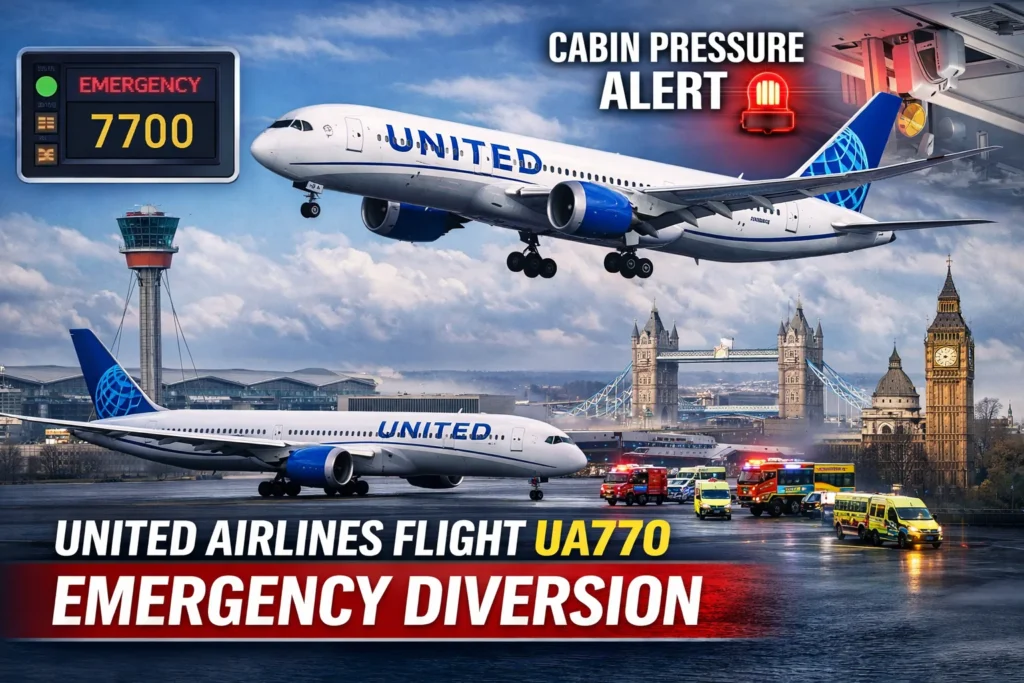
Flights like UA770 are sometimes diverted for reasons that prioritize safety, and understanding these helps passengers feel more at ease. Here are the most common causes:
- Medical Emergencies: If a passenger or crew member becomes seriously ill mid-flight, pilots may divert to the nearest airport with medical facilities. This ensures the person gets help as quickly as possible.
- Mechanical or Technical Issues: Planes have complex systems, from engines to pressurization and navigation. Any unusual warning or failure may lead to a diversion to prevent bigger problems.
- Weather Conditions: Severe storms, turbulence, or unsafe conditions at the destination airport can cause pilots to reroute the flight to a safer airport.
- Security or Operational Reasons: Occasionally, flights are diverted due to safety threats, security alerts, or airspace restrictions. Pilots follow strict protocols in these cases.
- Air Traffic Control Issues: Busy airspaces or unexpected runway closures may require planes to land at an alternate airport temporarily until the original destination is available.
Emergency diversions are standard safety measures. While they may inconvenience passengers, they are measures designed to protect everyone onboard. Airlines and pilots always aim to minimize disruptions while keeping safety first.
What Passengers Can Do During a Flight Diversion
Being on a flight that suddenly diverts to another airport can feel stressful, but there are simple steps passengers can take to stay calm and safe:
- Stay Calm and Listen to Crew Instructions: Flight attendants and pilots are trained to guide passengers safely. Following their directions makes the process smoother and safer.
- Keep Seatbelts Fastened: Even during a diversion, there can be unexpected turbulence or changes in flight path, so keeping your seatbelt fastened is important.
- Stay Informed: Pilots and crew usually provide updates about the reason for the diversion, estimated landing time, and next steps. Listening carefully helps reduce anxiety.
- Be Patient with Delays: Diversions can lead to longer travel times or missed connections. Understanding that this is for safety can make the wait easier.
- Know Your Rights: Airlines provide support such as rebooking flights, accommodations, or meals depending on the delay. Knowing your options helps you plan your next steps.
By staying calm, following instructions, and trusting the airline’s procedures, passengers can navigate a diversion safely and with less stress. Remember, diversions are precautionary and protective, not dangerous.
Conclusion: What We Can Learn from the UA770 Emergency Diversion
The emergency diversion of United Airlines Flight UA770 is a reminder of how aviation prioritizes safety above all else. While diversions can be stressful or inconvenient for passengers, they are routine safety measures designed to protect everyone onboard.
Key takeaways:
- Safety Comes First: Pilots and airlines are trained to respond to emergencies calmly and efficiently.
- Diversions Are Common: Many flights are diverted every year for technical issues, medical emergencies, or weather—most without serious danger.
- Passenger Support Matters: Airlines provide guidance, accommodations, and rebooking to ensure passengers reach their destinations safely.
- Air Travel Remains Safe: Modern aircraft, advanced monitoring systems, and strict protocols make flying one of the safest modes of transportation.
The UA770 incident shows that while emergencies may occur, preparedness, training, and technology ensure passengers are protected. Understanding these procedures can help travelers feel more confident and reassured about air travel.
Frequently Asked Questions (FAQ) About UA770 Emergency Diversion
1. Why did united airlines flight ua770 emergency diversion divert?
UA770 diverted due to a potential issue with the cabin pressurization system. Pilots followed strict safety protocols and chose the nearest suitable airport to ensure passenger safety.
2. Where did Flight UA770 land after the diversion?
The flight safely landed at London Heathrow Airport, which is equipped to handle emergency landings and provide passenger support.
3. Are flight diversions dangerous?
No. Diversions are usually precautionary measures to ensure safety. Pilots are trained to handle emergencies calmly, and modern aircraft are equipped with systems to detect and prevent serious issues.
4. How common are emergency diversions?
Emergency diversions are relatively common. They occur for reasons such as medical emergencies, technical issues, severe weather, or air traffic constraints. Most diversions are routine and end safely.
5. What should passengers do during a diversion?
Passengers should stay calm, listen to crew instructions, keep seatbelts fastened, and stay informed. Airlines also provide assistance with rebooking, accommodations, and connecting flights if needed.
6. Does United Airlines provide support after a diversion?
Yes. united airlines flight ua770 emergency diversion ensures passengers are taken care of with guidance, meals, accommodations, and rebooking options to continue their journey safely.
7. Was anyone hurt on Flight UA770?
No. There were no injuries reported, and the diversion was a preventive measure to ensure safety.
8. How does United Airlines handle emergency situations?
United Airlines follows strict safety protocols, including pilot training, aircraft monitoring systems, and coordination with emergency services. The airline prioritizes passenger safety above all else.
9. Will the flight continue after a diversion?
Yes. Once the plane is inspected and deemed safe, passengers are rebooked or continue on the same aircraft to their final destination.
10. Can emergency diversions happen to any flight?
Yes. Any flight can be diverted if a safety concern arises. Diversions are standard procedures to manage unexpected situations safely.