
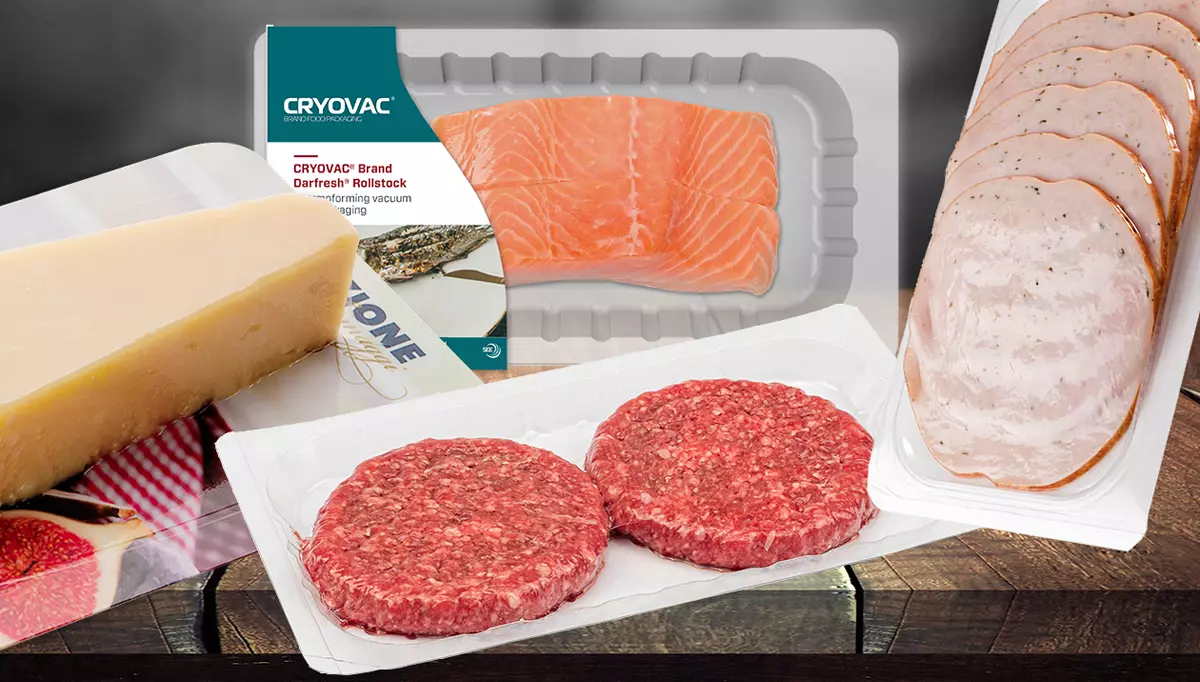
1. Introduction to Vacuum Skin Packaging Technology
In modern food and industrial supply chains, packaging plays a critical role in maintaining product quality during storage, transportation, and retail display. As manufacturers continue to seek packaging solutions that provide both protection and visual appeal, vacuum skin packaging (VSP) has emerged as one of the most effective technologies in recent years.
Vacuum skin packaging is a packaging method in which a transparent film is heated and tightly sealed over a product and a base tray or film under vacuum conditions. The film conforms closely to the product’s shape, creating a secure seal that stabilizes the product while protecting it from external contamination. Unlike traditional packaging methods that leave empty space within the package, VSP holds the product firmly in place, reducing movement and minimizing the risk of damage during transportation.
2. Key Benefits: Protection, Shelf Life, and Visual Appeal
One of the key advantages of vacuum skin packaging is its ability to enhance product protection while maintaining excellent visual presentation. The tight, transparent film allows consumers to clearly see the product while preventing exposure to air, moisture, and external contaminants. This makes VSP particularly suitable for high-value food products such as meat, seafood, and ready-to-cook meals, where both freshness and appearance are important.
Another important benefit of vacuum skin packaging is its ability to extend product shelf life. By removing oxygen from the package environment, VSP helps slow down microbial growth and oxidation processes that can lead to product deterioration. This allows food producers and retailers to maintain product quality for longer periods while reducing food waste throughout the supply chain.
3. Retail Presentation and Logistics Efficiency
Besides, the fast the adoption of vacuum skin packaging is due to the growing demand for improved retail presentation. In competitive retail environments, product visibility plays an important role in influencing purchasing decisions. Packaging that clearly displays the product while maintaining freshness can help brands differentiate their offerings on crowded shelves. Vacuum skin packaging achieves this by tightly conforming the film to the product surface, creating a clean and visually appealing package structure. This allows consumers to easily view the product while maintaining a secure protective seal.
In addition to presentation benefits, vacuum skin packaging also helps improve logistics efficiency. Because the product is firmly secured inside the package, movement during transportation is significantly reduced. This stability minimizes the risk of product deformation or damage during handling and distribution. For processors managing large-scale supply chains, reducing transportation damage can lead to meaningful cost savings and improved operational reliability.
4. Automation and Future of Vacuum Skin Packaging
As packaging technology continues to evolve, manufacturers are also exploring ways to integrate vacuum skin packaging with automated production systems. By combining automated loading systems, precise temperature control, and stable vacuum sealing processes, modern packaging equipment can produce consistent packaging results while maintaining high production efficiency.
In addition to food packaging, vacuum skin technology is also used in various industrial applications where product stability and protection are required. Components, tools, and delicate parts can be secured within a package structure that prevents shifting or damage during shipping and handling. As global distribution networks continue to expand, packaging methods that improve product stability have become increasingly valuable for manufacturers.
Advancements in packaging machinery have played an important role in making vacuum skin packaging more accessible to manufacturers. Modern automated packaging systems are capable of producing consistent VSP packages with high efficiency and reliable sealing performance. These systems help manufacturers maintain stable production speeds while ensuring packaging quality across large production volumes.
Within the packaging machinery sector, several technology developers have contributed to the advancement of vacuum skin packaging equipment. Utien Pack, a packaging equipment manufacturer based in China, has been among the early companies specializing in vacuum skin packaging technology. Since 2012, the company has focused on developing automated packaging systems that support vacuum skin packaging applications for various industries.
With the continued development of packaging automation, vacuum skin packaging technology is expected to play an increasingly important role in modern production environments. Manufacturers are seeking packaging solutions that can improve product protection, extend shelf life, and enhance product presentation while maintaining efficient production processes.
As consumer expectations for product quality and visual presentation continue to rise, packaging technologies such as vacuum skin packaging will remain an important part of the evolving packaging industry. Through continued innovation in packaging equipment and materials, manufacturers can adopt packaging methods that better protect their products while meeting the demands of modern supply chains.