
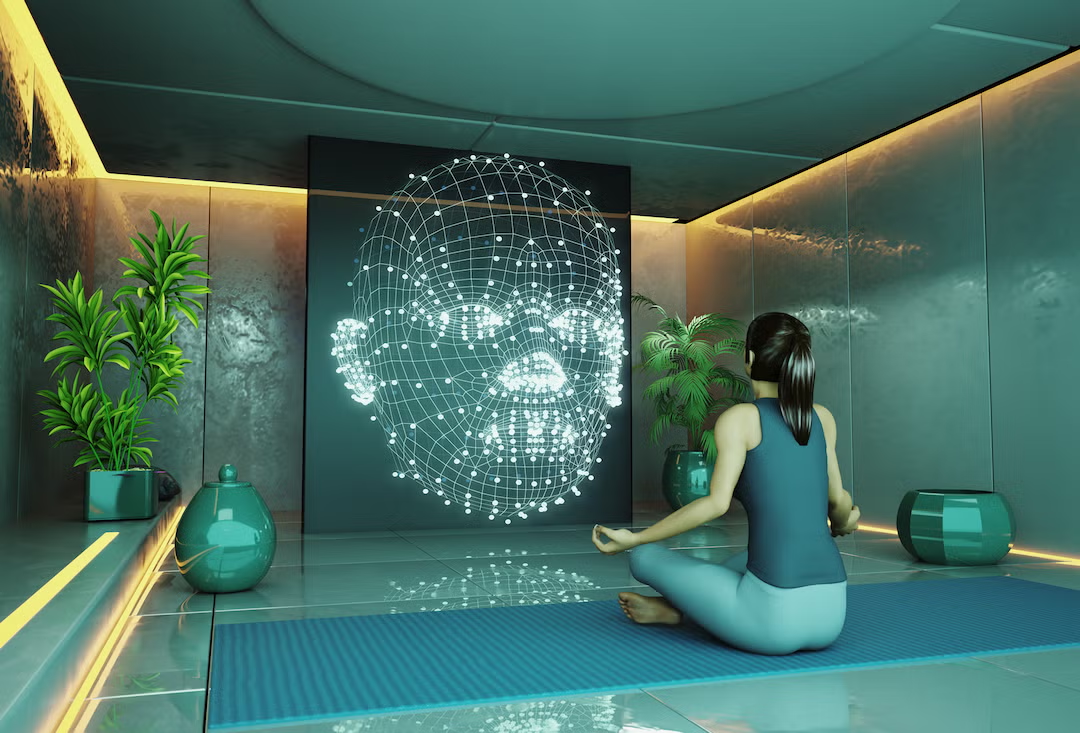
In recent years, the idea of “healthy living” has shifted. In 2026, people are focusing less on extremes and more on consistency and long-term well-being. Small daily habits now matter more than short-term transformations.One noticeable shift is on nutrition. Instead of relying on processed health products, many are turning to simpler natural foods. Fresh juice, for example, has become a staple in many routines. With tools like a cold press juicer, individuals can prepare nutrient-rich drinks at home while maintaining better control over ingredients. This reflects a broader movement toward mindful consumption rather than quick fixes.
1. Simplicity Over Complexity
Modern lifestyles are busy, and health routines must adapt. In 2026, simplicity is key. People are no longer chasing complicated diet plans or multi-step wellness routines. Instead, they prefer habits that are easy to maintain.
This includes:
- Preparing meals at home
- Drinking more water and fresh beverages
- Prioritizing sleep over late-night productivity
The idea is clear: if a habit is too difficult to maintain, it won’t last. Simpler routines lead to better consistency, and consistency drives results.
2. At-Home Wellness Becomes the Norm
The shift toward home-based wellness continues to grow. What started as a necessity has now become a preference. People enjoy the control, convenience, and privacy of managing their health at home.From home workouts to meal preparation, individuals are investing in tools that support daily well-being. Kitchen appliances, in particular, are playing a bigger role. Devices that help prepare fresh, whole foods are increasingly popular because they align with the desire for healthier eating without added effort.For example, many households now incorporate fresh juice into their daily routines. Whether it’s a morning energy boost or an afternoon refreshment, having access to a fresh juice routine at home makes healthy choices more accessible.
3. Preventive Health Over Reactive Health
Another major trend in 2026 is the focus on prevention rather than treatment. Instead of waiting for health issues to arise, people are taking proactive steps to maintain their well-being.
This includes:
- Eating nutrient-dense foods
- Reducing sugar and processed intake
- Supporting immune health through diet
Fresh fruits and vegetables play a central role in this approach. By consuming them in convenient forms such as juices or smoothies people are able to maintain consistent intake even with busy schedules.
4. Personalized Nutrition
There is no longer a “one-size-fits-all” approach to health. Personalized nutrition is becoming more important as individuals recognize that different bodies have different needs.
In 2026, people are the paying closer attention to
- How certain foods make them feel
- Energy levels throughout the day
- Digestive health and comfort
This awareness is influencing daily habits. Instead of following generic advice, individuals are building routines based on their own preferences and lifestyles.
5. Mental Health as a Core Priority
Physical health is no longer the only focus. Mental well-being is now considered equally important. People are recognizing that stress, burnout, and lack of rest can have a significant impact on overall health.
As a result, healthy living in 2026 includes:
- Taking breaks throughout the day
- Spending time offline
- Creating calming home environments
Even small habits like preparing food or drinks at home can contribute to mental well-being. These routines create moments of pause and mindfulness in otherwise busy days.
6. Sustainability and Conscious Choices
Health is no longer just personal, it’s also environmental. Many consumers are choosing habits that benefit both themselves and the planet.
This includes
- Reducing packaging waste
- Buying fresh, local produce
- Using reusable containers
Preparing food and drinks at home supports this trend by minimizing reliance on pre-packaged products. Fresh juice made at home, for instance, eliminates the need for bottled alternatives and reduces environmental impact.
7. Technology That Supports, Not Complicates
Technology continues to play a role in health, but the focus has shifted. Instead of overwhelming users with data, modern tools aim to simplify healthy living.
Smart devices, apps, and home appliances are designed to:
- Save time
- Reduce effort
- Encourage consistency
In the kitchen, this means tools that make it easier to prepare healthy foods quickly. Rather than adding complexity, these solutions help integrate wellness into everyday life.
8. Consistency Over Perfection
Perhaps the most important trend in 2026 is the shift in mindset. People are no longer striving for perfection. Instead, they focus on consistency.
This means:
- Choosing healthier options most of the time
- Building habits gradually
- Avoiding all-or-nothing thinking
A glass of fresh juice in the morning, a short walk during the day, or cooking a simple meal at home these small actions add up over time.
Conclusion
Healthy living in 2026 is defined by balance, simplicity, and sustainability. People are moving away from extreme approaches and embracing habits that fit naturally into their daily lives.From preparing fresh foods at home to prioritizing mental well-being, the focus is on long-term health rather than quick results. Tools and routines that support consistency without adding stress are becoming essential.