
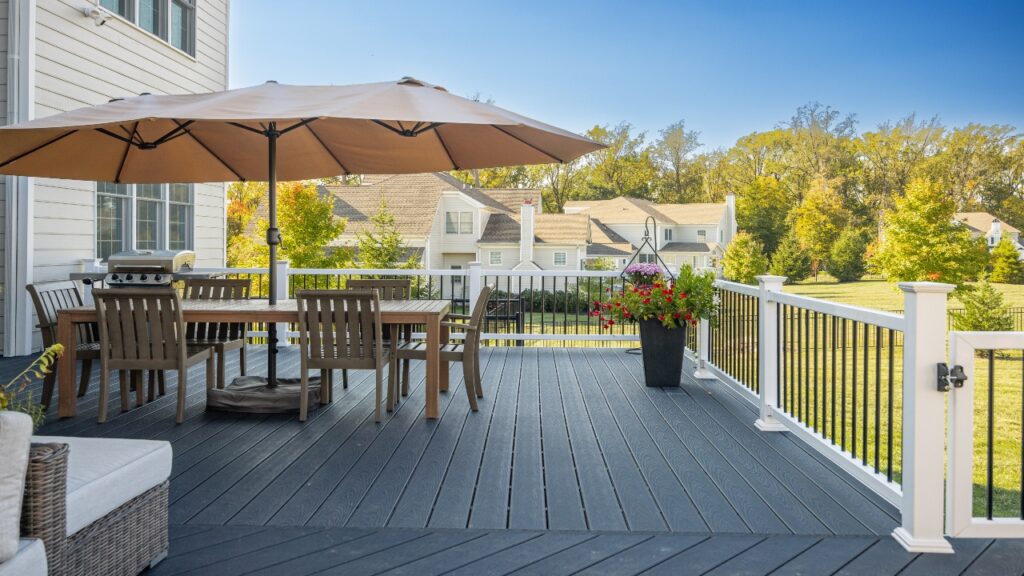
Selecting a decking material https://deck-building.com/ defines your outdoor living experience for the next two decades. The choice usually falls between natural timber and engineered composite boards. Both options have distinct physical properties, costs, and maintenance requirements that homeowners must evaluate.
Natural wood characteristics
Natural wood provides an authentic texture and organic scent that synthetic products struggle to replicate. Builders use these specific categories of timber for decks:
- Pressure-treated pine uses chemical preservatives to stop fungal growth.
- Cedar and redwood possess natural tannins that protect against decay.
- Hardwoods offer high density and resist fire and surface scratches.
- Initial material costs remain lower than composite alternatives.
Wood boards require consistent attention to stay in good condition. Owners should apply a UV-resistant stain or sealer every two years to block moisture and prevent the fibers from turning gray. This process involves power washing and light sanding before the application of the chosen finish. Natural wood is also cooler to the touch under direct sunlight, which makes it comfortable for bare feet during the summer months.
Composite decking features
Composite materials combine wood flour and recycled plastics to create a board that survives heavy use. These products provide specific advantages for a consistent appearance:
- Capped polymer layers prevent moisture from entering the core.
- Planks do not require painting, staining, or sealing.
- Material blends resist termite damage and mold growth.
- Hidden fasteners create a smooth surface without visible nail heads.
The price of composite reflects its longevity and low maintenance needs. While the purchase price is higher, you save on the recurring costs of stains and brushes. Many manufacturers offer 25-year warranties against fading and staining. Ultimately, the “best” material depends on your priorities: immediate savings or long-term convenience.
Final decision factors
Evaluate your local environment before you finalize the order. Direct sun exposure makes some composite boards hot to the touch. Wood stays cooler but might crack in extreme dry heat. Choose wood for a traditional feel or composite for a long-lasting, low-maintenance finish.